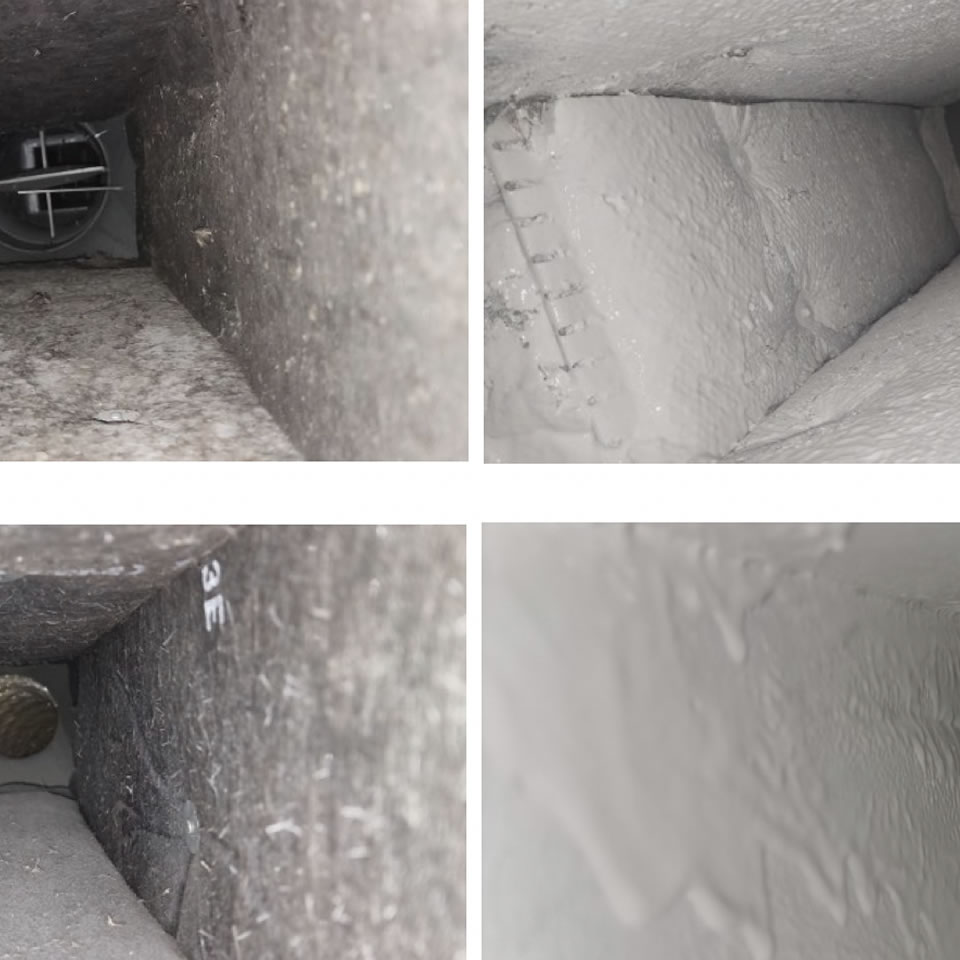
Air Duct Lining
Breathe New Life Into Your Ducts – Seamless, Long-Lasting Air Duct Lining
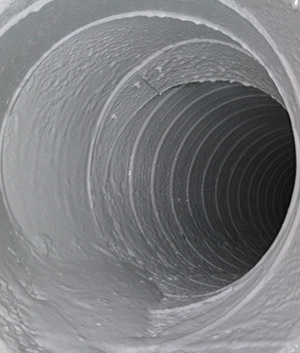
We restore old duct work
Trenchless Today provides professional SIPP air duct lining for residential, commercial, industrial, and municipal properties. Our spray-in-place restoration process seals and rehabilitates aging, leaking, corroded, or deteriorated ductwork from the inside—often without removing floors, breaking concrete slabs, or replacing the entire duct system.
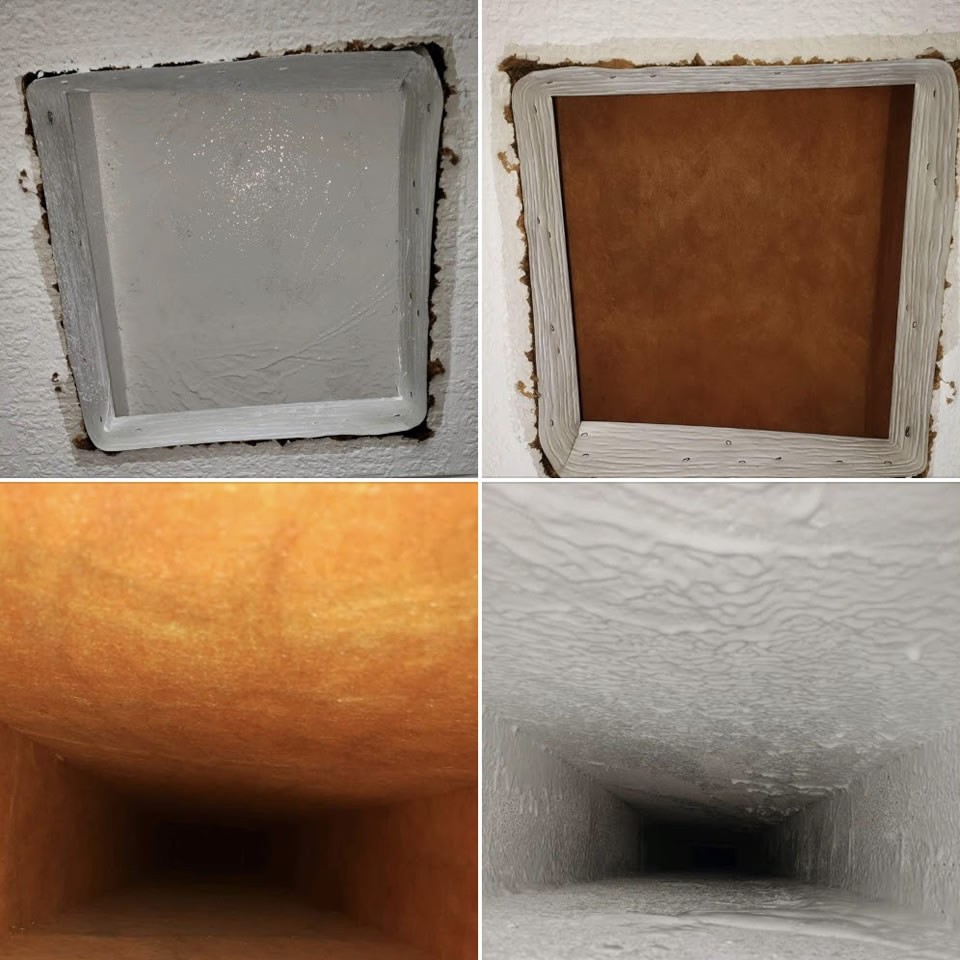
Using Spray-in-Place Pipe lining technology, commonly referred to as SIPP, we apply a water-based, rubberized liner directly to the interior surfaces of existing ductwork. The liner forms a seamless, airtight protective barrier that seals qualifying air leaks, encapsulates deteriorated surfaces, and protects the ductwork against moisture, rust, corrosion, mold growth, and loose debris.
Unlike CIPP pipe lining, this process does not involve inserting a resin-saturated liner tube into the duct. The specialized coating is sprayed directly onto the prepared interior surfaces and conforms to the shape of the existing air-distribution system.
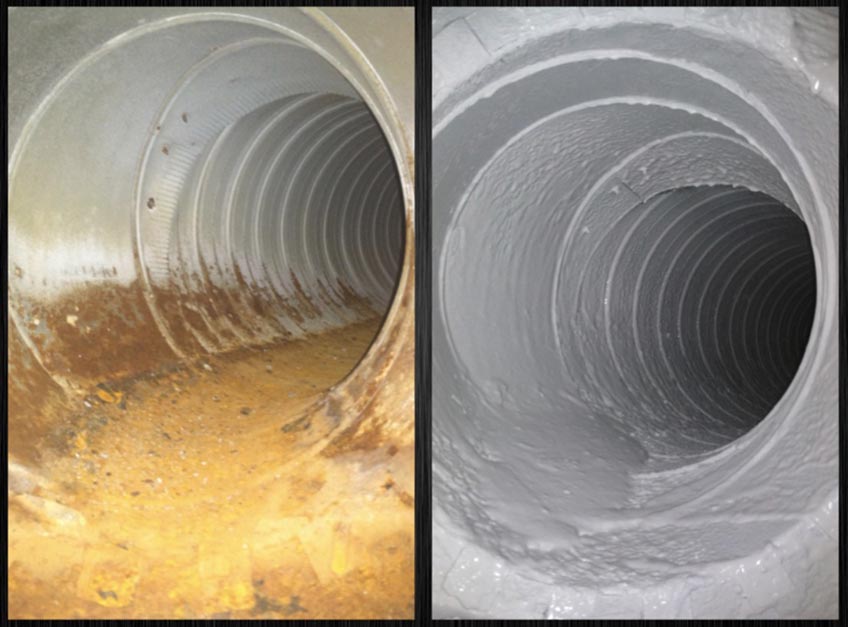
Air Duct Restoration for Every Type of Property
Trenchless Today provides SIPP air duct restoration for residential, commercial, industrial, institutional, and municipal properties. Our spray-in-place lining process may be used to restore qualifying underground, in-slab, and overhead duct systems constructed from materials such as concrete, sheet metal, galvanized metal, fiberglass duct board, and certain older Transite systems.
SIPP lining can restore damaged ductwork without removing large sections of flooring, walls, ceilings, or concrete. For larger commercial, industrial, institutional, and municipal facilities, the process can also reduce demolition, reconstruction, operational disruption, and HVAC downtime.
Every duct system is different. Trenchless Today evaluates the material, condition, accessibility, layout, and source of damage before recommending the most appropriate restoration solution.
Signs and Common Air Duct Problems
Damaged ductwork can contribute to conditioned-air loss, weak airflow, uneven temperatures, rising energy costs, moisture problems, corrosion, musty odors, and loose debris entering the air stream.
Your ductwork may need a professional inspection if you notice:
- Visible rust or corrosion
- Musty, moldy, or persistent odors
- Water or dampness around floor vents
- Uneven heating and cooling
- Increasing heating or cooling costs
- Recurring mold or mildew inside the duct system
Underground and in-slab ducts are especially difficult to access. Over time, they may develop cracks, small holes, failed connections, corrosion, pest damage, debris buildup, air leakage, or partial structural failure.
Air ducts are designed to carry air, not water. However, water can enter underground or in-slab ducts through cracks, corroded sections, failed joints, foundation problems, plumbing leaks, high groundwater, or poor exterior drainage. Once inside, water may remain trapped in low sections of the system and contribute to rust, mold, mildew, odors, and continued deterioration.
Overhead ducts are less likely to be affected by groundwater but may still experience moisture from condensation, high indoor humidity, roof leaks, or nearby plumbing problems.
These conditions do not automatically mean that lining is appropriate. The duct material, accessibility, severity of the damage, and overall structural condition must first be evaluated.
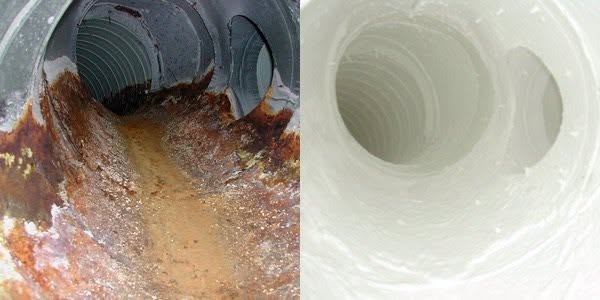
Benefits of SIPP Air Duct Lining
SIPP air duct lining provides a minimally invasive alternative to complete duct replacement. The spray-applied coating creates a continuous interior barrier that seals qualifying cracks, gaps, failed joints, and deteriorated surfaces.
By reducing air loss, the lining can help more conditioned air reach the intended areas of a building. This may improve airflow, reduce uneven temperatures, and help the HVAC system operate more efficiently.
The rubberized coating also encapsulates rust, deteriorated fiberglass, loose particles, and other damaged interior materials. Once cured, it creates a smooth, mold-resistant surface that separates those materials from the moving air stream.
For underground and in-slab systems, the liner creates a water-resistant interior barrier that can help prevent moisture from passing through qualifying cracks, holes, or corroded surfaces. However, serious drainage, groundwater, plumbing, foundation, or condensation problems outside the duct system may also need to be corrected.
Because the liner is installed from inside the existing system, qualifying ducts can often be restored without removing large areas of flooring, walls, ceilings, or concrete. This reduces demolition, reconstruction, and disruption while extending the useful life of the existing ductwork.
SIPP lining may also be used for qualifying overhead sheet-metal and fiberglass duct-board systems. It is generally not intended for ordinary flexible ductwork, which may be better suited for replacement when extensively damaged.
Our SIPP Air Duct Lining Process
Inspection
We begin by evaluating the duct system’s material, layout, accessibility, and overall condition. A camera inspection may be used to locate corrosion, cracks, holes, standing water, debris, mold, damaged surfaces, and other problem areas.
Cleaning
The ductwork is thoroughly cleaned to remove dust, loose rust, dirt, mold, debris, and other materials that could prevent the coating from properly adhering.
Surface Preparation
The interior surfaces are prepared for lining. Larger openings, unsupported areas, or structural damage may require additional repairs before the spray-applied material can be installed.
SIPP Liner Application
The water-based, rubberized liner is sprayed directly onto the interior surfaces of the ductwork. The material conforms to the existing shape of the system and creates a continuous protective coating.
Curing and Final Inspection
The coating is allowed to cure before the HVAC system is returned to normal operation. Once cured, the lined ductwork is inspected to verify coverage and confirm that the restored system is ready for service.
This is not a steam-cured CIPP process. Project duration depends on the system’s size, material, layout, accessibility, cleanliness, and overall condition. A more accurate schedule can be provided after the initial inspection.
Specialized Duct Restoration and Experienced Service
Some older slab-on-grade homes, commercial buildings, industrial properties, and public facilities contain Transite ductwork made from asbestos and cement. These systems were commonly installed beneath concrete slabs in past decades.
As Transite ages, its cementitious surface may deteriorate and produce fine, light-colored material around the ducts or floor vents. Property owners and facility personnel should not disturb or attempt to clean suspected asbestos-containing ductwork themselves.
Depending on the condition of the system and applicable requirements, professional duct lining may provide an encapsulation option that isolates the interior material from the air stream without removing the entire underground system. Suspected asbestos-containing material should be properly evaluated, and all testing, handling, and restoration work must follow applicable safety regulations.
Trenchless Today has more than 40 years of combined experience providing minimally invasive restoration services. We specialize in solving difficult underground and hard-to-access infrastructure problems without unnecessary excavation or demolition.
Our team provides camera inspection, system evaluation, SIPP spray-in-place lining, and restoration services for residential, commercial, industrial, and municipal properties. We offer clear recommendations based on the actual condition of the system and manage the project from the initial inspection through completion.
Air Duct Lining FAQs
What does SIPP mean?
SIPP stands for Spray-in-Place Pipe. For air duct restoration, it describes a process in which a specialized liner is sprayed directly onto the interior surfaces of existing ductwork.
Is SIPP the same as CIPP?
No. CIPP generally involves inserting a resin-saturated liner tube into an existing pipe and curing it in place. Our SIPP air duct process sprays a water-based, rubberized coating directly onto prepared duct surfaces.
Do you have to cut through floors or concrete slabs?
In many cases, no. We access the system through existing vents and duct openings, allowing qualifying underground ducts to be restored without excavating the entire system or breaking through large areas of flooring and concrete.
Limited access openings or preliminary repairs may still be required depending on the duct layout and condition.
Can every air duct system be lined?
No. Severely collapsed ducts, large unsupported openings, extensive structural damage, major obstructions, or inaccessible sections may require additional repairs or a different solution.
What duct materials can be lined?
The rubberized liner can be applied to several common materials, including concrete, sheet metal, galvanized metal, fiberglass duct board, and certain Transite systems. Compatibility depends on the condition of the surface and whether the duct can be properly cleaned and prepared.
Can water enter an air duct?
Yes, but this is mainly a concern with underground and in-slab ducts. Groundwater, rainwater, plumbing leaks, condensation, or moisture around the foundation can enter through cracks, holes, failed joints, or corroded sections.
Will lining stop all future water problems?
The lining can seal qualifying openings and create a water-resistant interior barrier. However, serious drainage, groundwater, foundation, plumbing, or condensation problems outside the duct system may also need to be corrected.
Can you line commercial, industrial, and municipal duct systems?
Yes. Trenchless Today evaluates duct systems in homes, businesses, manufacturing facilities, warehouses, municipal buildings, schools, healthcare facilities, government properties, and other occupied or operational environments.
Suitability depends on the material, condition, accessibility, and layout of the existing ductwork.
Can I use the HVAC system during installation?
The HVAC system will need to be turned off during portions of the cleaning, application, and curing process. We coordinate the work to minimize downtime whenever possible.
How long does the process take?
The schedule depends on the system’s size, layout, accessibility, material, condition, and required preparation. Larger or more severely deteriorated systems may require additional time.
How long does the liner last?
The coating is designed for durable, long-term service. Actual performance depends on the original condition of the ducts, installation conditions, HVAC operation, maintenance, moisture exposure, and whether external sources of damage have been corrected.
Schedule an Air Duct Inspection
Do not assume that aging underground, in-slab, or overhead ductwork must be completely replaced. Trenchless Today may be able to clean, seal, and restore your existing system from the inside using SIPP air duct lining technology.
Contact Trenchless Today today to schedule an inspection for your home, business, industrial facility, municipal property, or public building.