What is Cured in Place Pipe Lining?
Cured in Place Pipe lining is a trenchless rehabilitation method used to restore damaged sewer and drain lines without excavation.
Instead of removing the old pipe, a structural liner is installed inside the existing pipeline to seal cracks, stop leaks, and create a smooth interior that improves flow.
What is cured in place pipe lining?
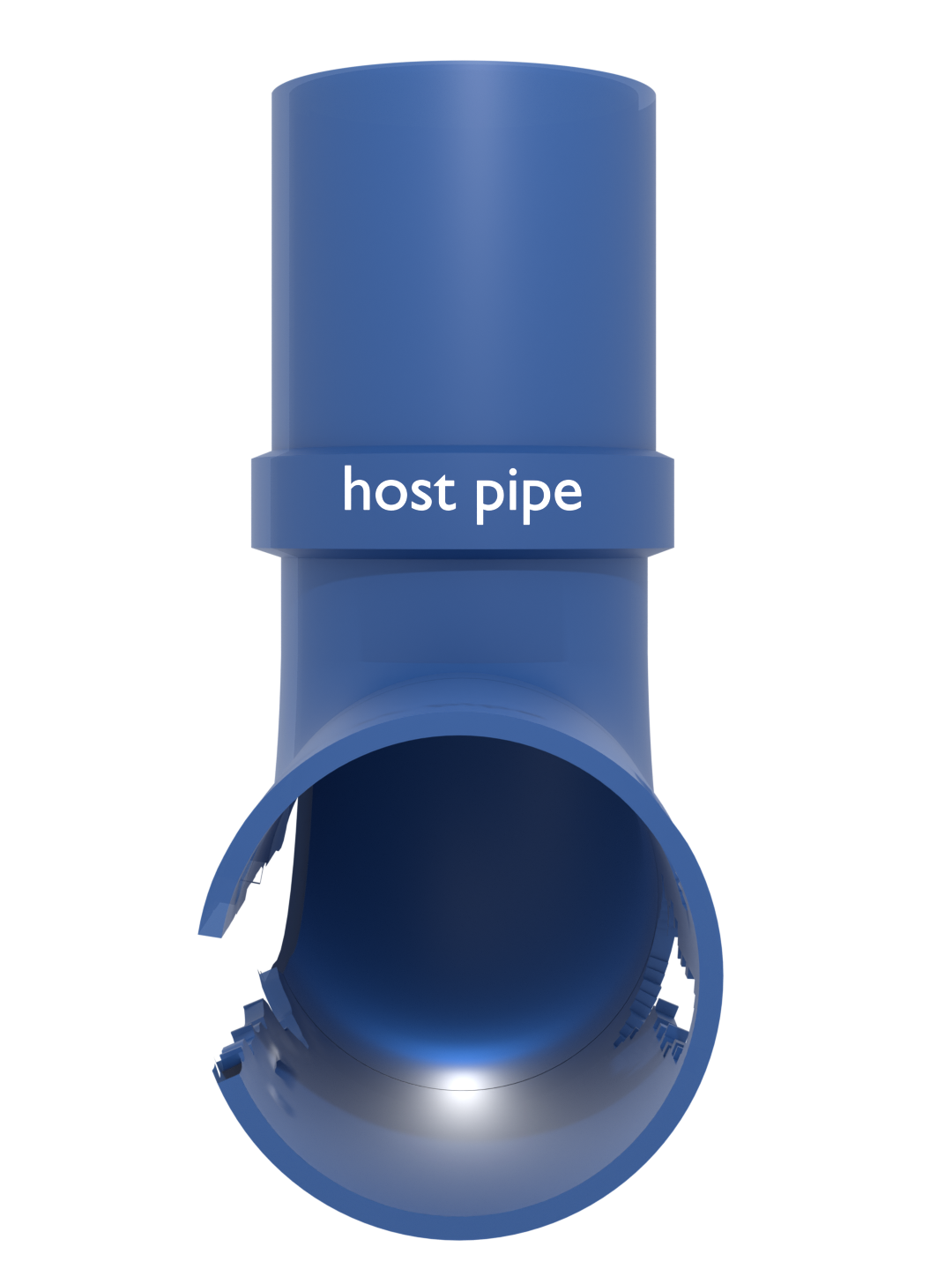
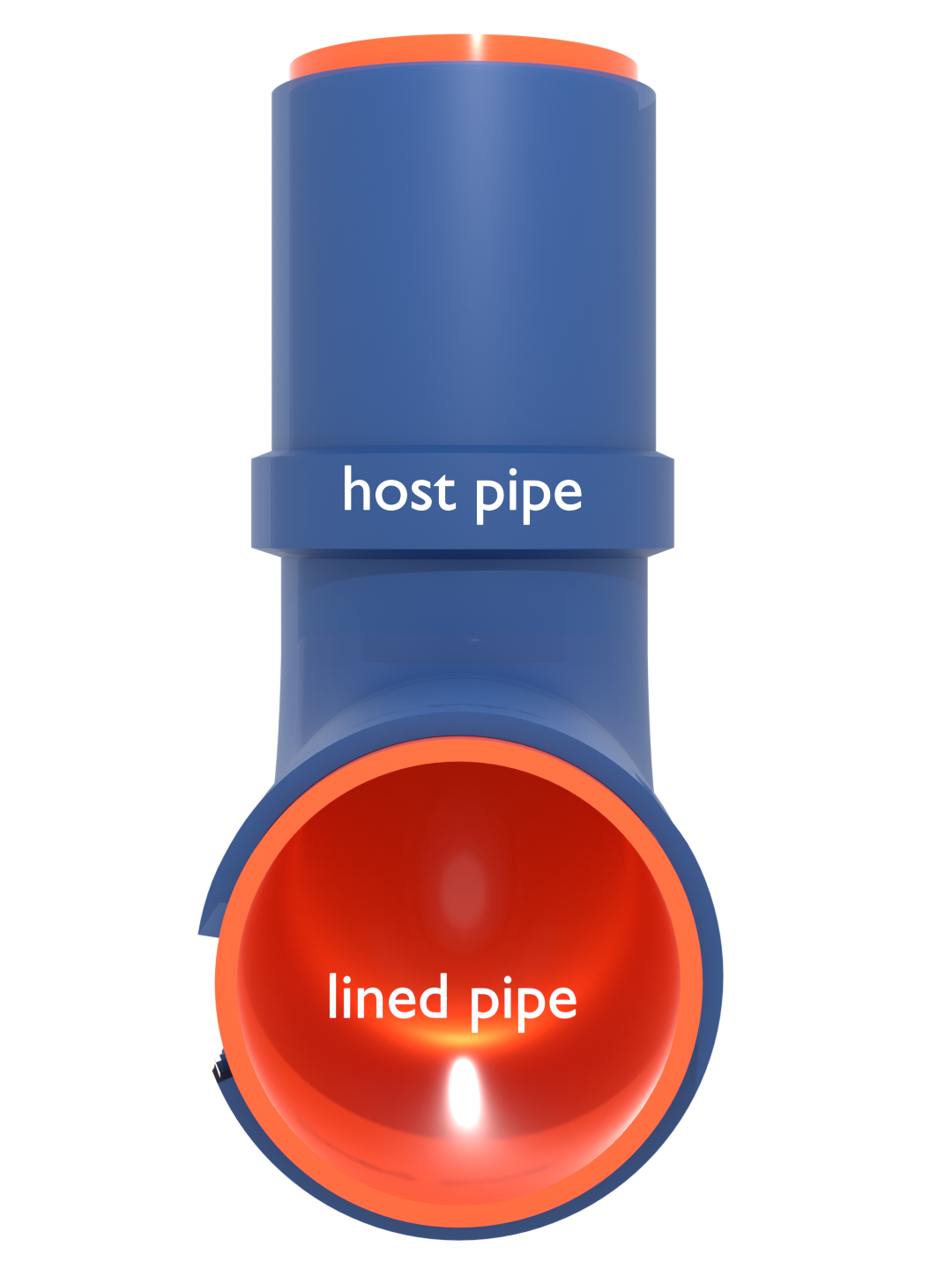
Cured in Place Pipe lining is a trenchless rehabilitation method used to restore damaged sewer and drain lines without excavation. Instead of removing and replacing the existing pipe, a structural liner is installed inside the host pipe to seal cracks, stop leaks, and restore structural integrity while extending the service life of the pipeline. This approach allows underground pipes to be repaired with minimal disruption while delivering a long term solution comparable to traditional replacement.
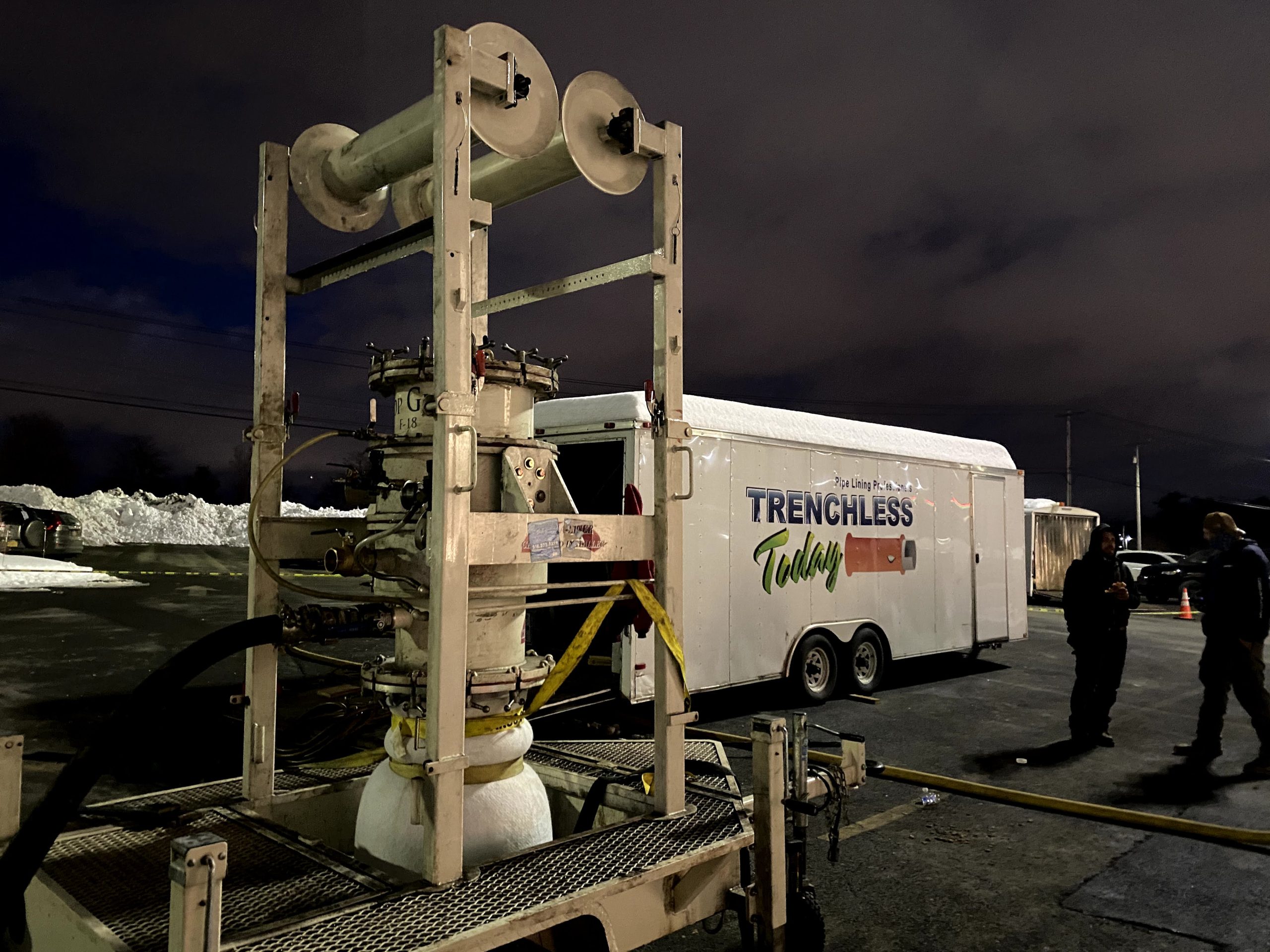
The process begins with cleaning and inspecting the pipeline to confirm it is suitable for lining. A resin saturated liner is inserted through an existing access point and positioned within the pipe. Using controlled air or water pressure, the liner is expanded so it fully conforms to the interior walls of the existing pipe. The liner is then cured using heat, steam, or ultraviolet light depending on the application and pipe conditions, hardening into a seamless, jointless pipe within the original structure.
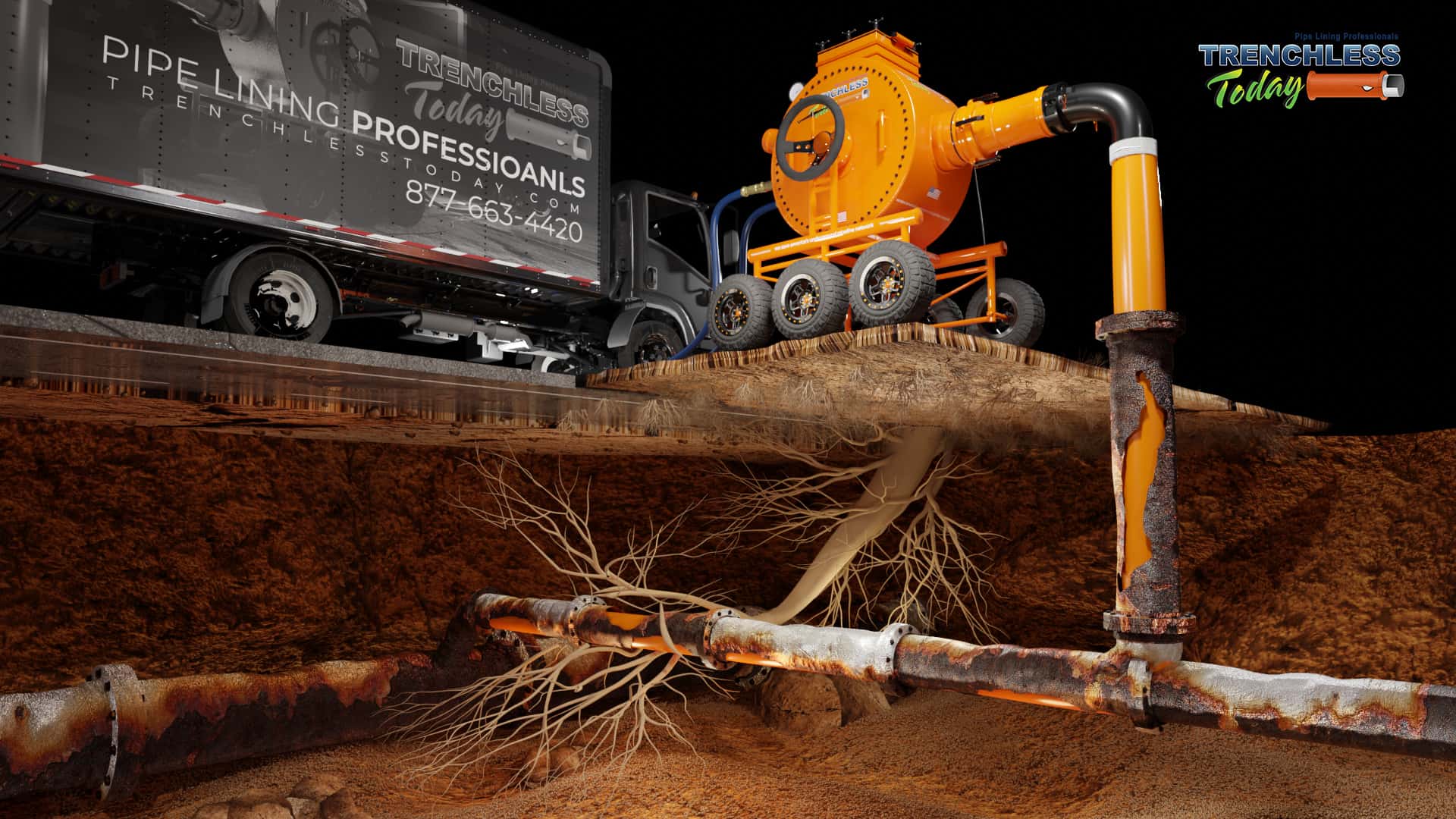
The finished liner creates a smooth interior surface that improves flow while sealing defects and preventing future root intrusion and corrosion. When properly installed and maintained, cured in place pipe lining provides decades of reliable performance while avoiding the excavation, surface damage, and downtime associated with traditional pipe replacement.
Importance of CIPP Pipe Lining
Signs You Need CIPP Restoration
- Unusually green or soggy areas in lawn
- Persistent or strong odors from drains
- Water damage to slab or foundation
- Slowness or backups from multiple drains
- Pest or rodent problems
- Higher than normal water usage
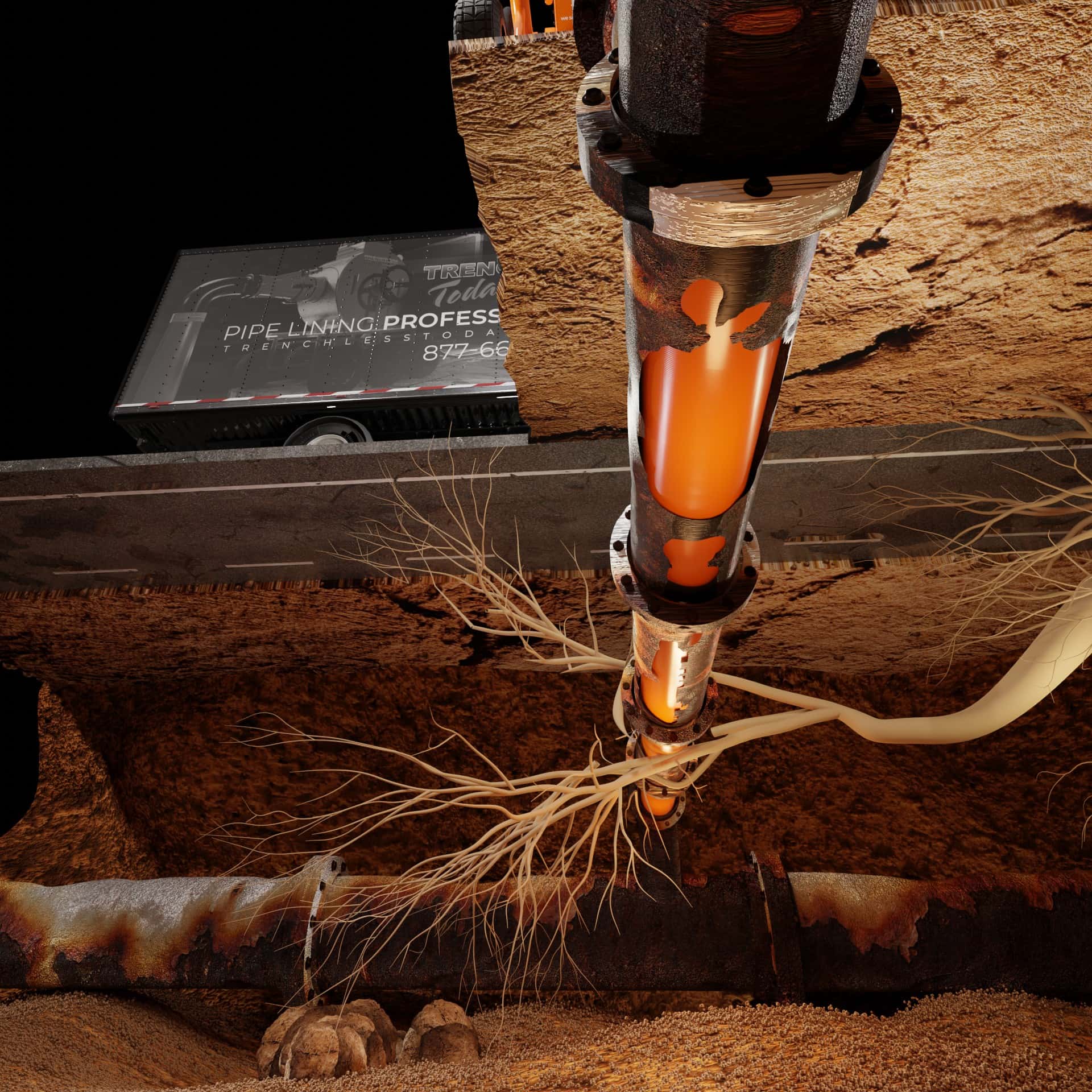
How Cured In Place Pipelining (CIPP) Restores Old Pipes
After inspecting and thoroughly cleaning the host pipe, we use trenchless equipment to insert an epoxy-saturated liner using the inversion method. The liner is inverted with air or water pressure, allowing it to adhere tightly to the interior walls of the existing pipe. Once in place, a live camera inspection confirms proper positioning. The liner is then cured using hot water, steam, or ultraviolet (UV) light, which activates the resin and hardens it into a solid, structural pipe. This process bonds the liner to the host pipe, creating a seamless, long-lasting solution. Curing time varies depending on the length and thickness of the liner, but typically takes just a few hours. The result is a fully rehabilitated pipe that resists leaks, cracks, corrosion, and root intrusion—without the need for excavation.
Why Choose Our Trenchless Company
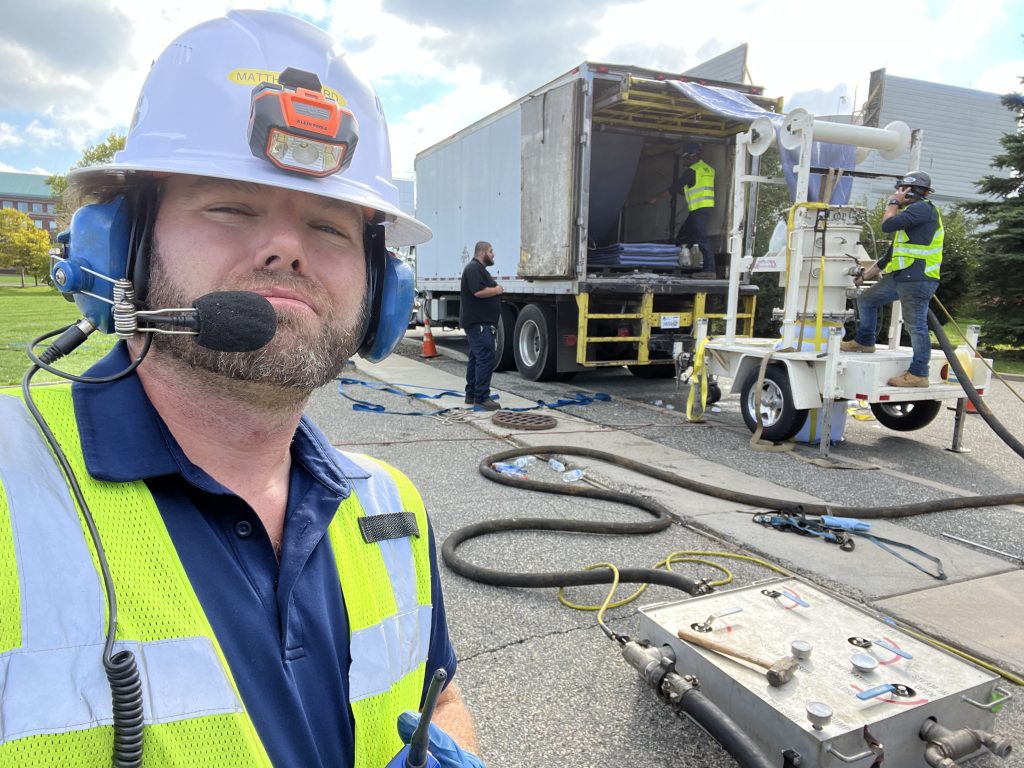
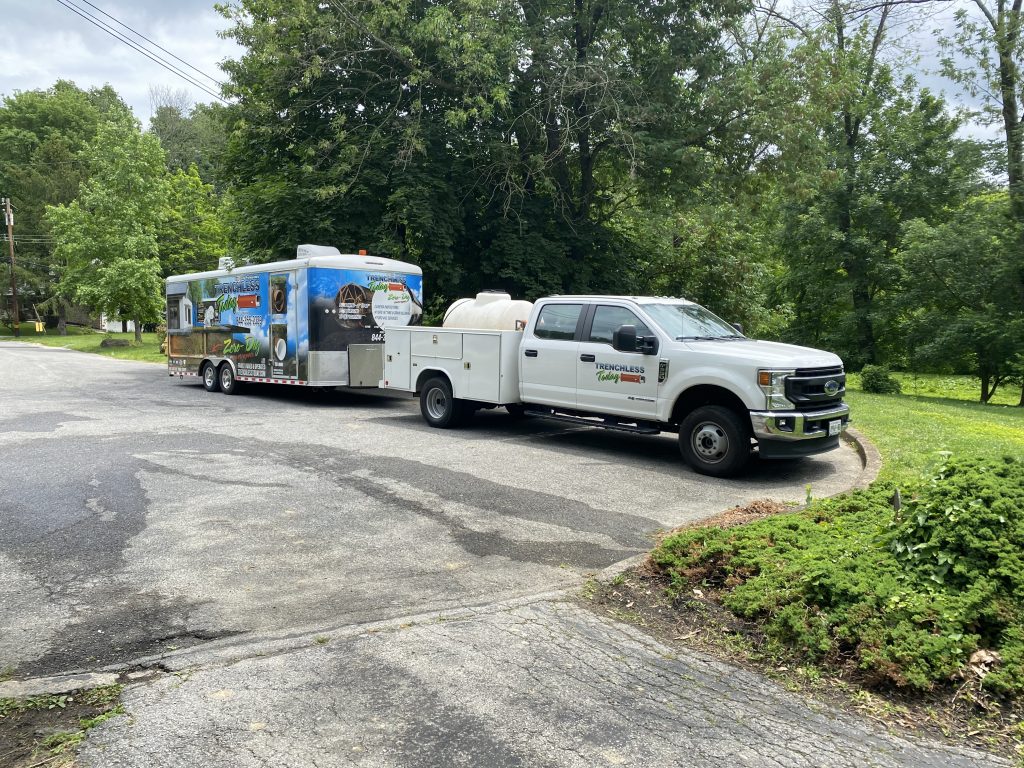
We serve as the trusted cured-in-place pipe lining certified installer in your area. Our combined 40 years of experience ensure that we deliver a successful result every time. The CIPP process minimizes disruption to your property and business operations, allowing you to carry on with your usual activities. We offer an immediate response team for urgent issues, and we complete the work as quickly as possible.
CIPP FAQs
How Long Do CIPP Liners Last?
Does Cured in Place Pipe Lining Address Tree Root Intrusion?
How Long Does It Take to Perform Cured in Place Pipe Lining?
Reach Out to Trenchless Today
For more information about cured-in-place pipe lining or to obtain an estimate for our trenchless pipe restoration services, give Trenchless Today a call. You may also schedule an appointment when you fill out the online form. We also provide:
- Trenchless Pipe Lining
- Trenchless Sewer Repair
- Epoxy Coatings & Lining
- Pipe Bursting