Pipe Lining Overview
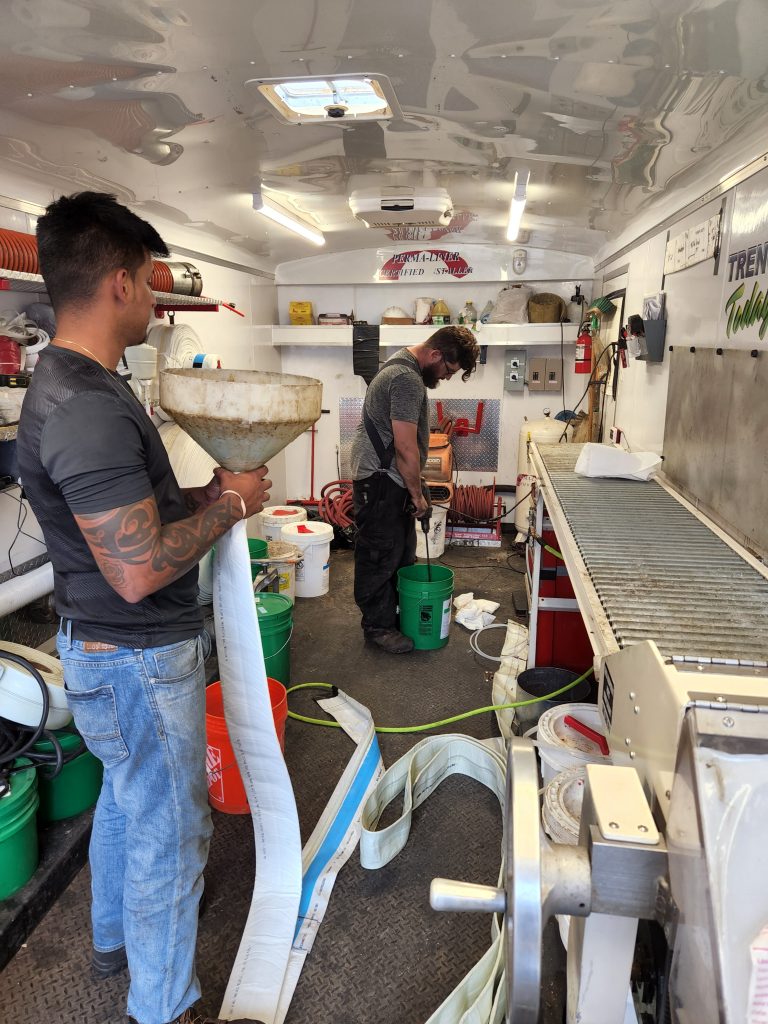
Pipe lining is a trenchless method used to restore damaged sewer and drain lines without excavation.
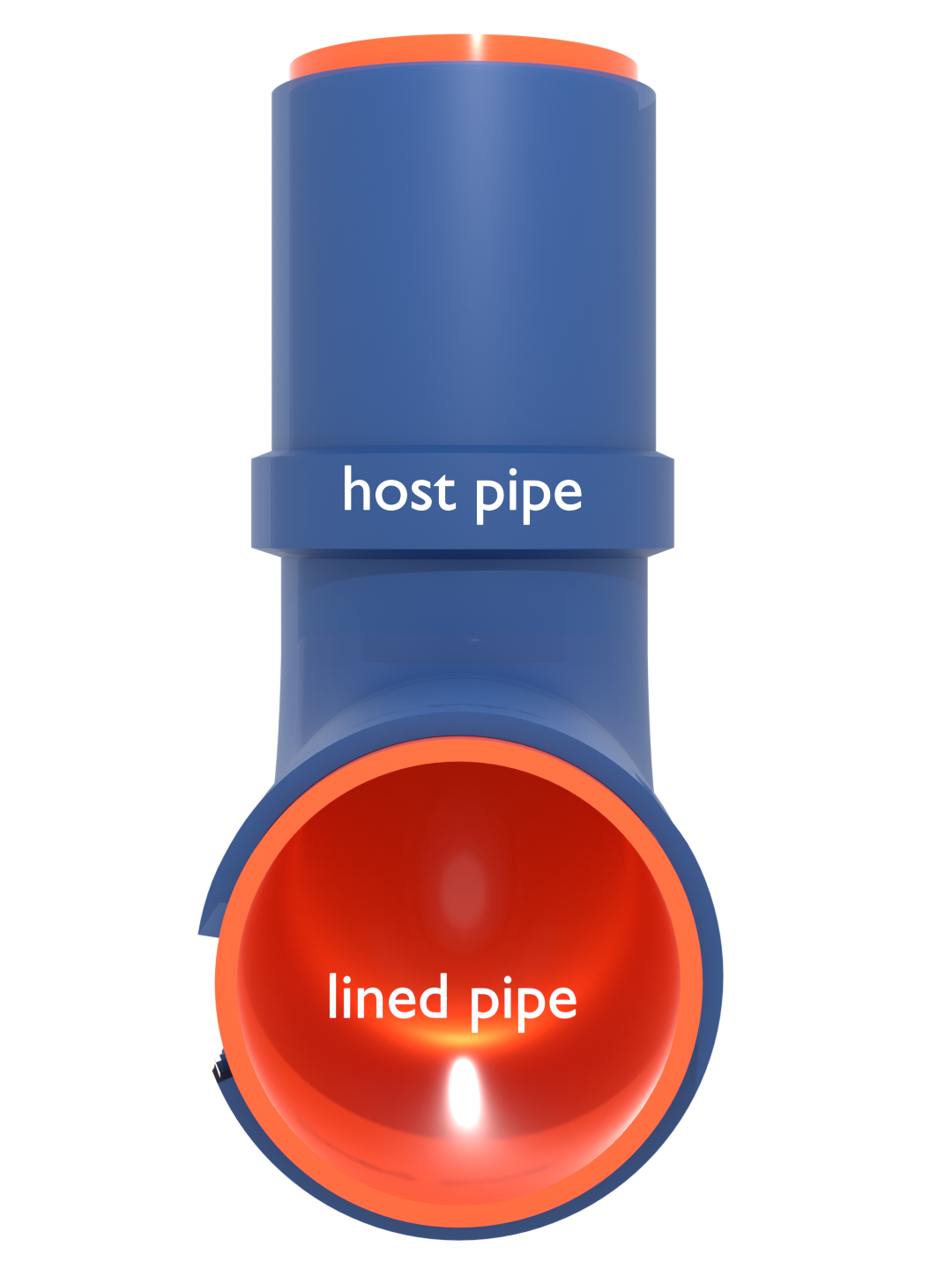
Instead of removing the old pipe, a structural liner is installed inside the existing pipeline to seal cracks, stop leaks, and create a smooth interior that improves flow.
Why Choose Trenchless Pipelining?
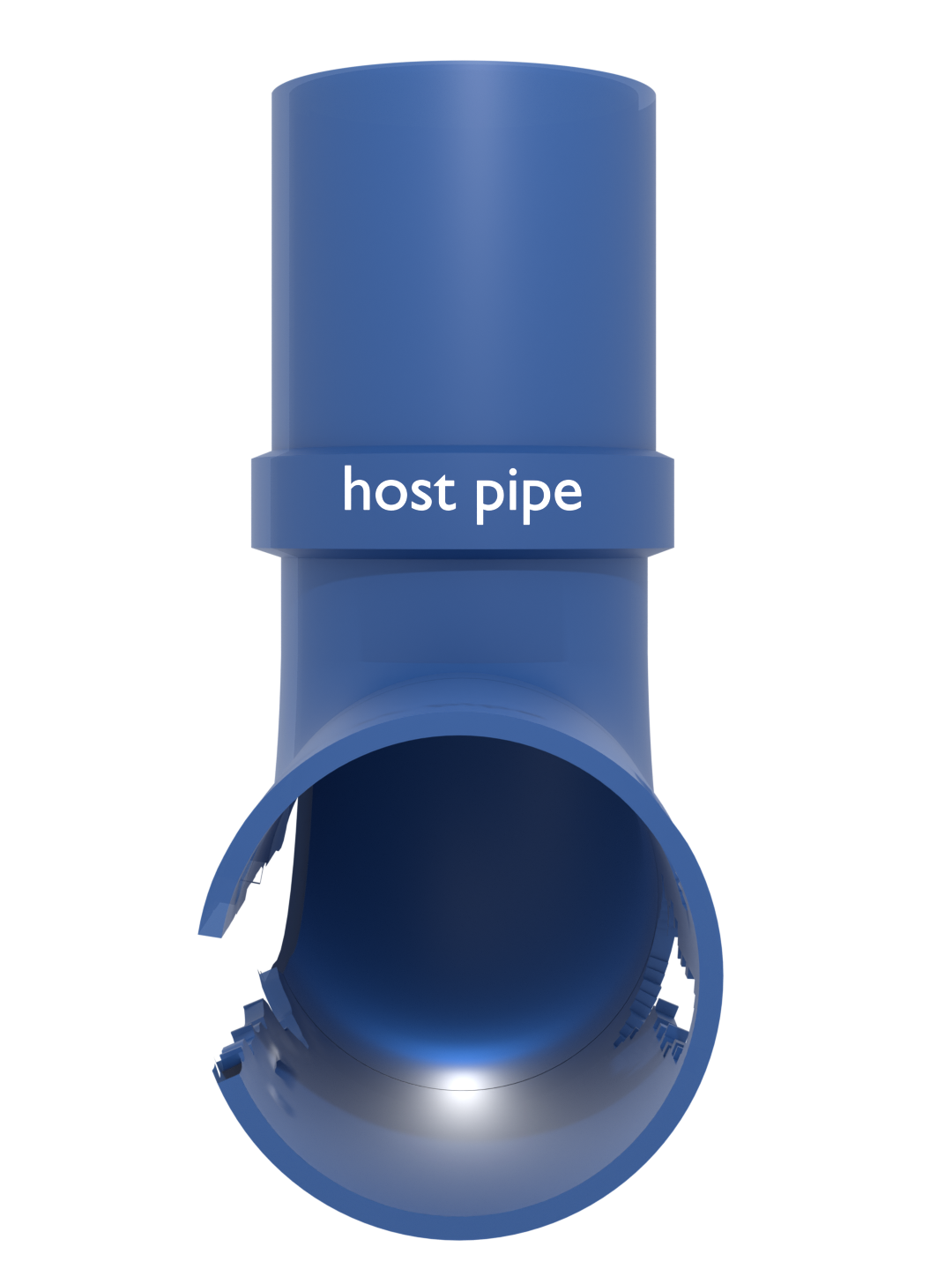
Trenchless pipelining lets you fix a failing sewer line without digging up your driveway, yard, patio, or breaking out a slab. For property owners, it’s a cleaner way to get a long-term structural repair while avoiding the disruption that comes with excavation.
How the Process Works
We start with a sewer camera inspection to confirm the pipe is a good candidate. Next, we clean the line to remove debris and buildup. A resin-saturated liner is inserted into the existing pipe and expanded to fully contact the interior walls. Once cured in place, it forms a jointless, pipe-within-a-pipe that restores structural integrity and helps reduce future root intrusion.
When Pipe Lining Makes Sense
Pipe lining is often recommended for cast iron, clay, and PVC lines that are deteriorating but not fully collapsed. It’s a strong option for recurring blockages, leaking joints, corrosion, and root intrusion when you want a long-term repair without tearing up landscaping, driveways, parking areas, or slabs.
Benefits
Trenchless pipelining minimizes disruption while delivering a durable repair. The finished liner creates a sealed, jointless interior that helps reduce leaks, root intrusion, snags, and repeat clogs, while improving flow performance. After installation, we complete a post-lining camera inspection so you can clearly see the restoration from start to finish.