Pipe Lining
A no-dig way to restore a damaged sewer from the inside.
Instead of removing the old pipe, a structural liner is installed inside the existing pipeline to seal cracks, stop leaks, and create a smooth interior that improves flow.
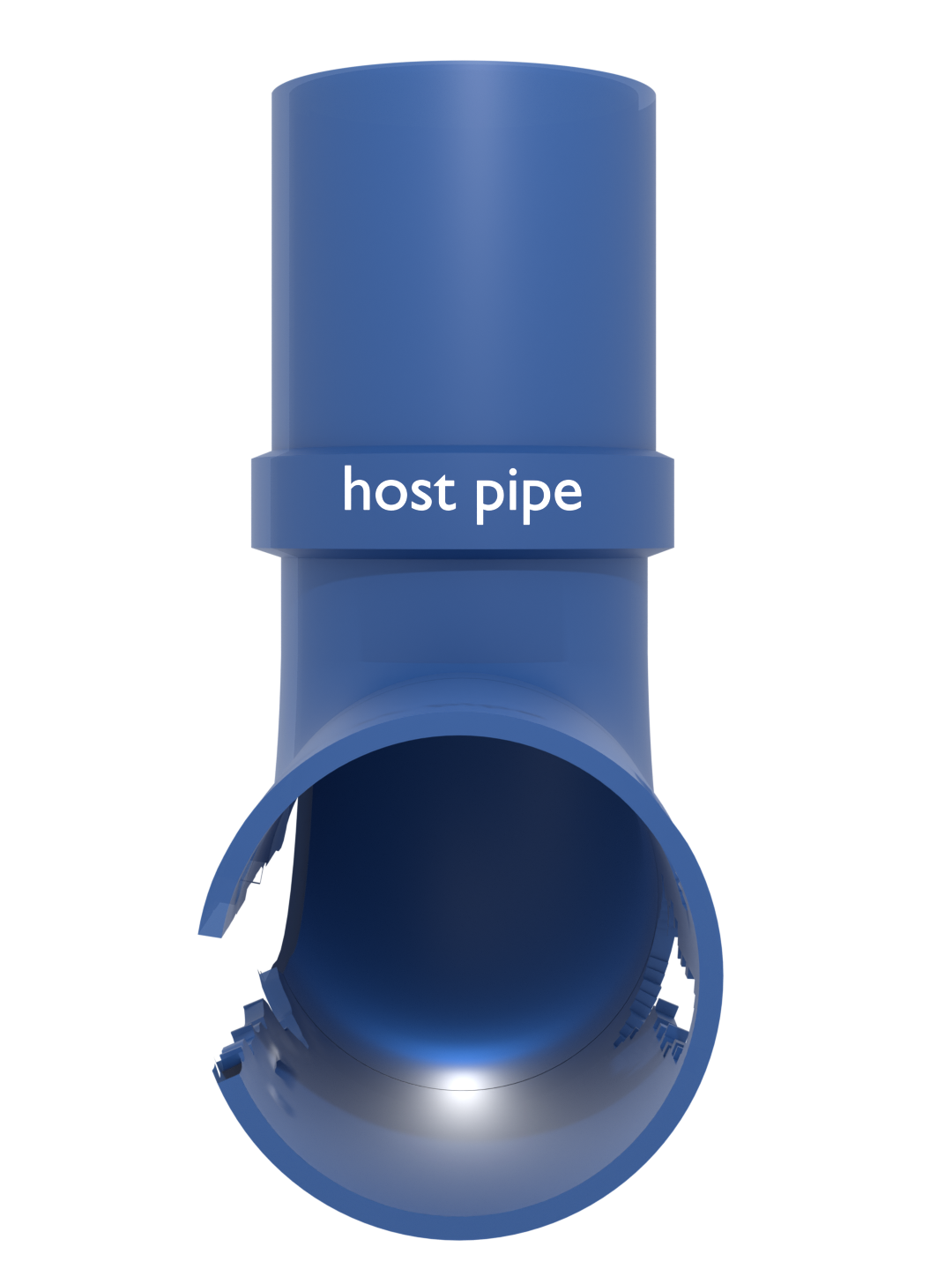
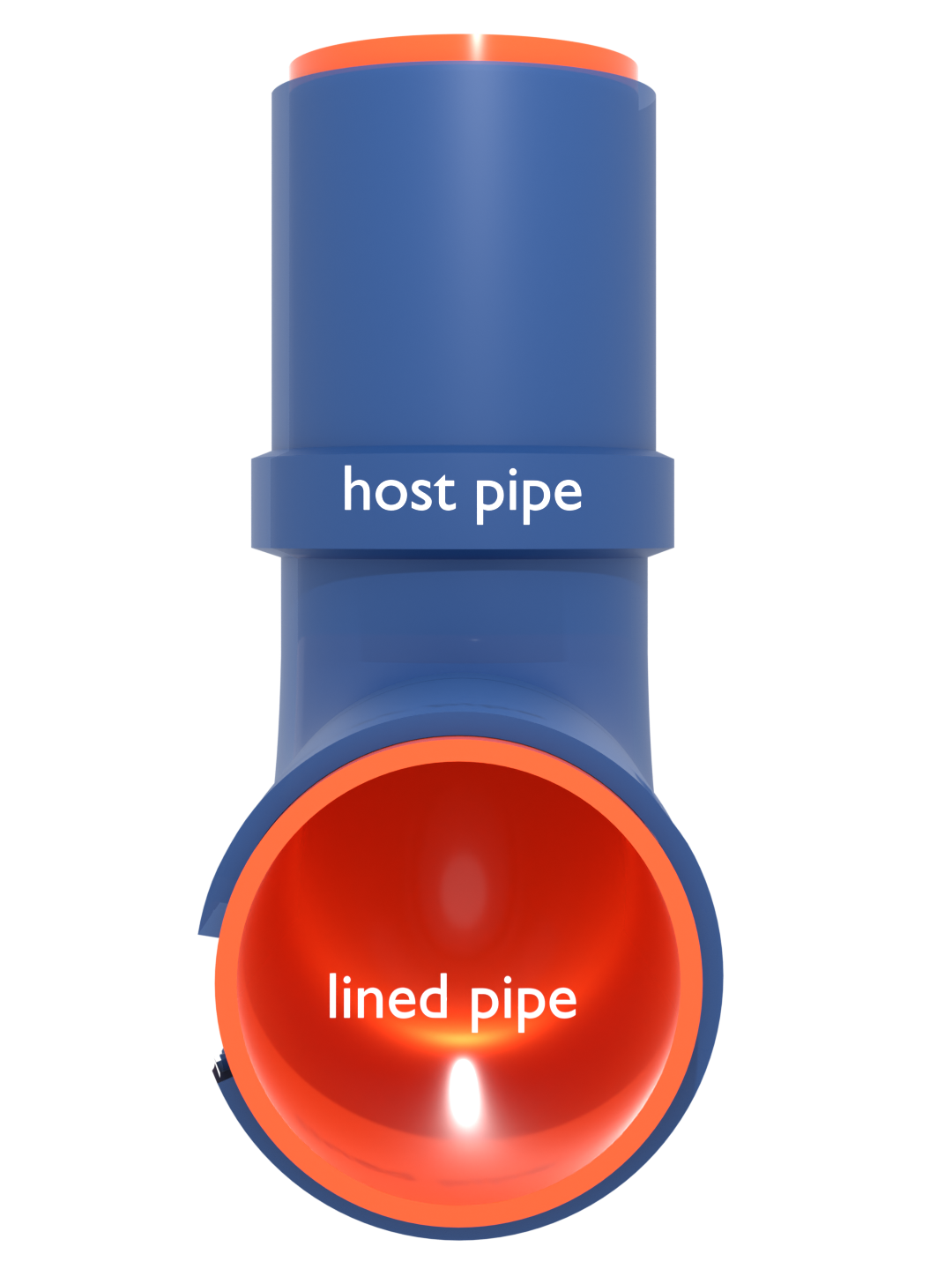
Pipe lining is a way to repair a damaged sewer or drain from the inside. Instead of digging a trench and pulling the old pipe out, we place a structural liner in the existing line. Once it cures, you have a new, seamless pipe inside the old one.
People also search for this as pipe relining or sewer pipe lining. It’s the same idea: restore the pipe you already have, without opening a long trench through the yard, driveway or street. Trenchless Today has been doing this work since 2001, and we have local crews in every area we serve.
How Pipe Lining Works
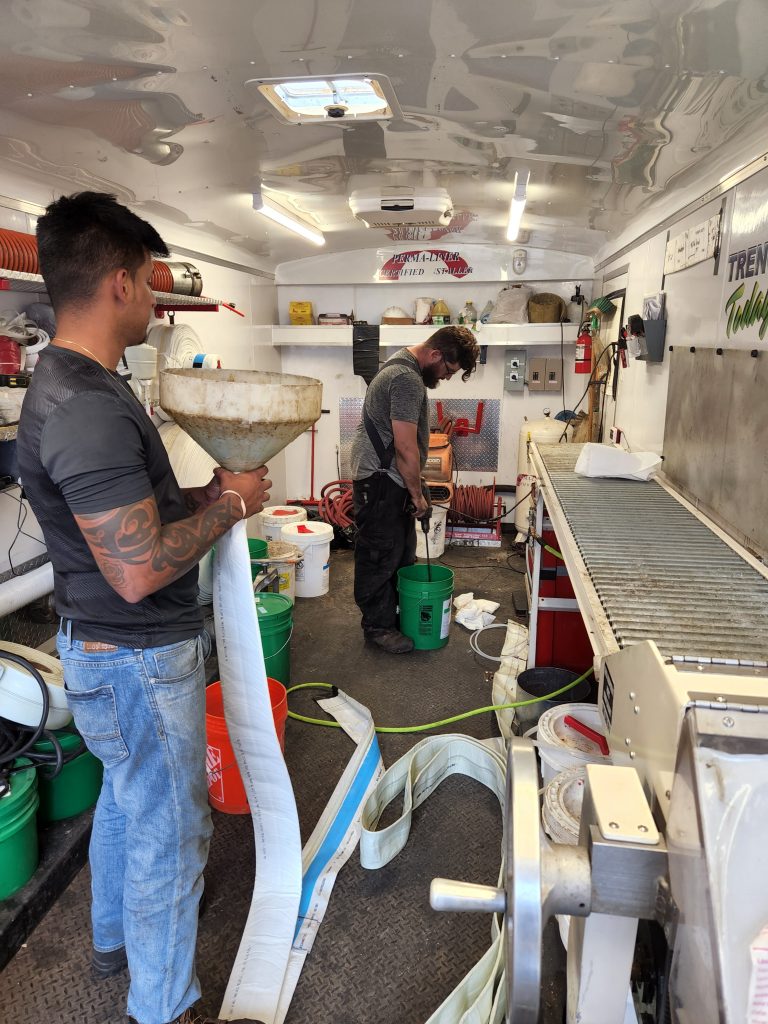
The usual method is cured-in-place pipe lining, or CIPP. After a camera inspection and a thorough cleaning, a resin-saturated liner is inverted or pulled into the host pipe and cured in place. The liner bonds to the old pipe and seals joints, cracks and small holes.
Trenchless pipe lining is the service name for that no-dig repair. CIPP is the method we use most often to do it. If a full structural liner isn’t what the pipe needs, epoxy pipe lining and coatings can seal and protect the interior instead.
When Pipe Lining Is the Right Repair
Lining is a strong option when the pipe is still in place and the camera shows:
- cracks, offset joints or leaking seams
- root intrusion at joints
- corrosion or pitting in cast iron
- repeated backups in the same stretch of line
If the pipe has collapsed, is badly deformed, or needs a larger diameter, lining may not be enough. In those cases pipe bursting replaces the line through small access pits. If a previous liner has failed, we start with failed liner removal.
Who Pipe Lining Is For
The method is the same in principle for a house lateral and a larger main, but the planning is different. See:
- Residential pipe lining for home sewers
- Commercial pipe lining for businesses and multi-unit buildings
- Industrial pipe lining for plants and facilities
- Municipal pipe lining for city and public sewer mains
- Benefits of pipe lining for a side-by-side look at lining vs. digging
What You Can Expect
We start with a sewer camera inspection and share the footage. If the line is a candidate, we clean it, install the liner and inspect it again when we’re done. Our liners are rated for a 50-year life expectancy, and the work is backed by a 10-year warranty.
We have crews in all of our service areas. Call (866) 926-2329 or schedule service.
Frequently Asked Questions
What is pipe lining?
Pipe lining, also called pipe relining, is a trenchless repair that places a new structural pipe inside the existing sewer or drain. The old pipe stays in the ground and acts as a host for the liner.
How long does a pipe liner last?
The liner we install is rated for a 50-year life expectancy, and our lining work comes with a 10-year warranty.
Is pipe lining the same as CIPP?
CIPP, or cured-in-place pipe, is the lining method we use most often. Pipe lining is the broader category. You can read the step-by-step process on our CIPP lining page.
Can every sewer line be lined?
No. The host pipe has to be in place and open enough to accept a liner. A collapse, a sharp deformity or a previous failed liner may mean we need to remove the obstruction or replace the pipe instead.
What’s the first step?
A camera inspection. We look at the line, show you the footage and then recommend lining, cleaning, bursting or a combination. Call (866) 926-2329 to get started.